If you grew up on Pizza Hut pan pizza, you already know the crust is the whole point — that fried-crisp golden bottom, the buttery edge, and the soft, chewy middle that no delivery pizza has ever quite matched. This copycat Pizza Hut pizza dough recipe gets you there with pantry ingredients and one hour of rise time.
The secret isn’t in the dough alone. It’s in how you proof and bake it. Skip the technique in the pan section below and you’ll get good homemade pizza dough. Follow it, and you’ll get Pizza Hut.
Why You’ll Love This Pizza Hut Dough Recipe
- Beginner-proof. Every common dough problem is troubleshot below, so you’re not guessing.
- Tastes like the real thing. Garlic powder, onion powder, and a pinch of MSG recreate the savory background flavor most copycats miss.
- One dough, three crusts. Shape it as pan, hand-tossed, or thin — instructions for all three are below.
- No stand mixer required. Five to seven minutes of hand kneading is all it takes.
- Freezer-friendly. Make a double batch and keep pizza night on standby for up to three months.
What Makes Pizza Hut Dough Different From Regular Pizza Dough?
Most homemade pizza dough recipes are built for a hot stone and a thin, blistered crust. Pizza Hut’s dough is engineered for the opposite: a deep, oiled pan.
Four things set it apart, and all four are built into this recipe.
1. A blend of two flours. All-purpose flour alone gives you a crust that’s tender but limp. Bread flour alone gives you something too tough and bagel-like. Pizza Hut’s texture lives in between, which is why this recipe uses two parts all-purpose to one part bread flour. You get chew without toughness.
2. Savory seasoning in the dough. This is the detail nearly every copycat gets wrong. Garlic powder, onion powder, and a small amount of MSG go directly into the flour, not on top of the finished pizza. It’s why a plain Pizza Hut crust edge still tastes like something on its own.
3. Baking powder alongside the yeast. The yeast handles flavor and structure. The baking powder gives that extra lift in the oven that makes the pan crust puff into its signature thick, cakey edge.
4. The dough gets fried, not just baked. Pizza Hut pan pizzas proof and bake in a heavily oiled pan. The bottom of the crust is effectively shallow-frying while the top bakes. That’s the golden, crackly, slightly greasy-in-the-best-way bottom you remember — and you cannot get it on a bare pizza stone. Full instructions are in the pan crust section below.
If you want a straightforward, all-purpose dough without the copycat seasoning, try my basic pizza dough recipe instead. This one is specifically built to taste like Pizza Hut.
Ingredients Needed
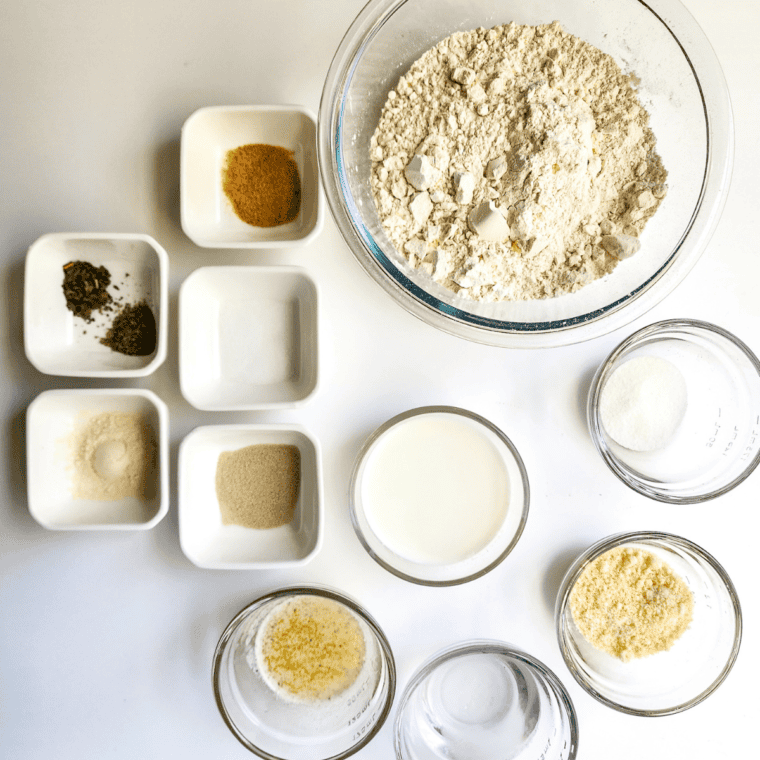
- Warm water (110°F/45°C): Activates the yeast. Too hot kills it; too cool won’t wake it up.
- Sugar: Feeds the yeast and adds the faint sweetness Pizza Hut crust has.
- Active dry yeast: The rise and the flavor.
- Unbleached all-purpose flour: The base structure and tenderness.
- Bread flour: Higher protein for that signature chew and pull.
- Baking powder: Extra oven lift for a thick, fluffy pan crust.
- Salt: Flavor, and it keeps the yeast from running away.
- Olive oil: Softness and richness in the crumb.
- Garlic powder: Savory background note baked into the dough.
- Onion powder: Mild sweetness and depth.
- MSG: The umami that makes it taste like the restaurant. See the substitution note below if you’d rather skip it.
- Cornmeal: For dusting your work surface and pan. Adds a subtle crunch on the bottom crust.
Ingredient Substitutions
No MSG? Swap in an equal amount of chicken bouillon powder, or 1/2 teaspoon of finely grated Parmesan. You’ll lose a little of the exact restaurant flavor, but the dough is still excellent without it.
No bread flour? Use all-purpose for the full amount. The crust will be softer and less chewy — closer to hand-tossed than pan.
No cornmeal? Semolina flour is the best substitute. Plain all-purpose flour or parchment paper both work in a pinch.
Instant yeast instead of active dry? Use the same amount and skip the proofing step — add it straight to the dry ingredients.
How To Make Pizza Hut Pizza Dough
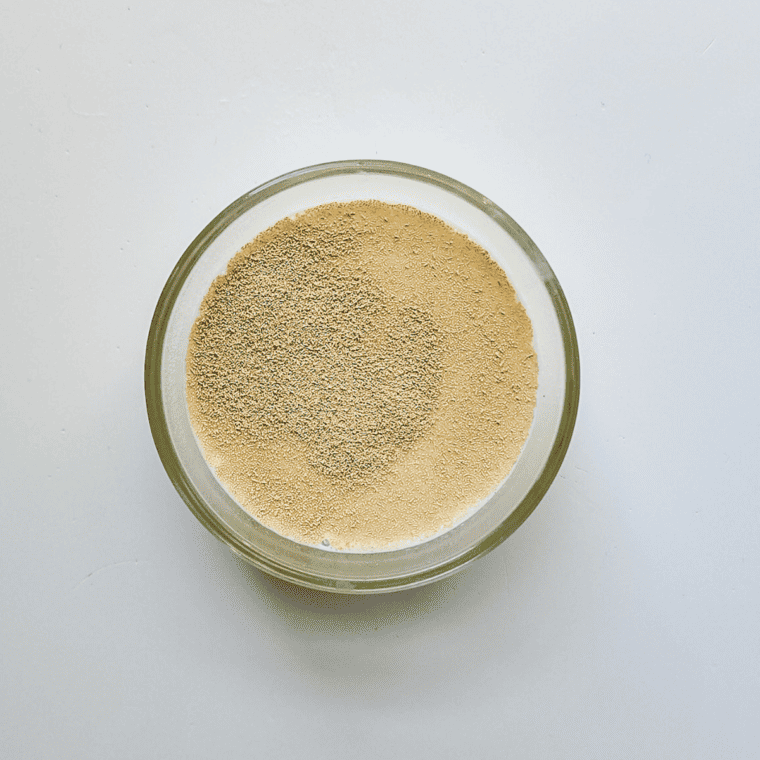
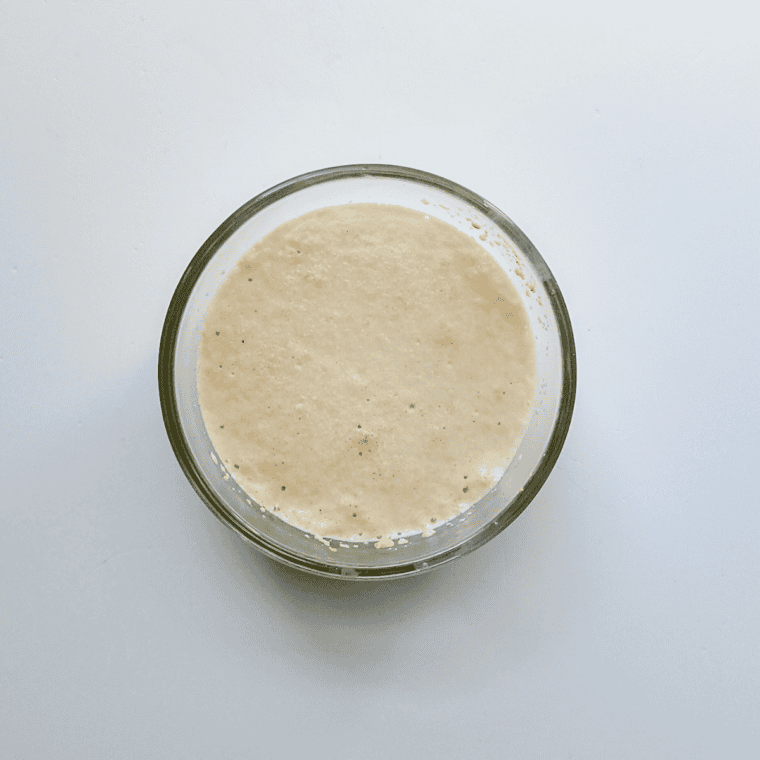
Step One: Proof the yeast. Stir the sugar into the warm water until dissolved, then sprinkle the yeast over the top. Leave it for 5 minutes. It should look foamy and smell like bread. If nothing happens, your yeast is dead — start over, or you’ll waste three cups of flour.
Step Two: Whisk the dry ingredients. In a large bowl, combine the all-purpose flour, bread flour, baking powder, salt, garlic powder, onion powder, and MSG. Whisk them together properly so the seasoning is distributed, not clumped.
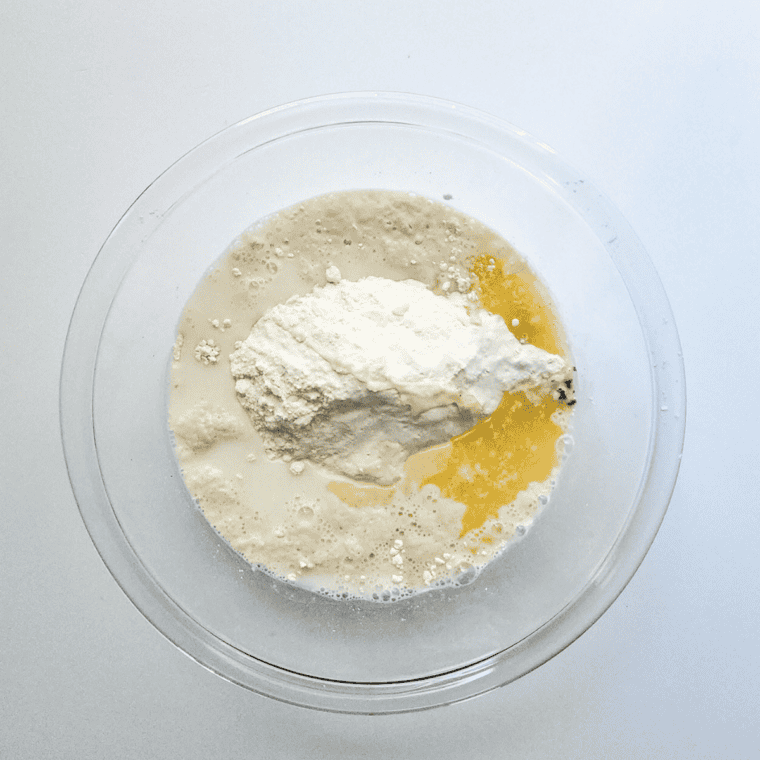
Step Three: Bring it together. Pour in the olive oil and the foamy yeast mixture. Stir with a wooden spoon until a shaggy dough forms and there’s no dry flour left at the bottom of the bowl.
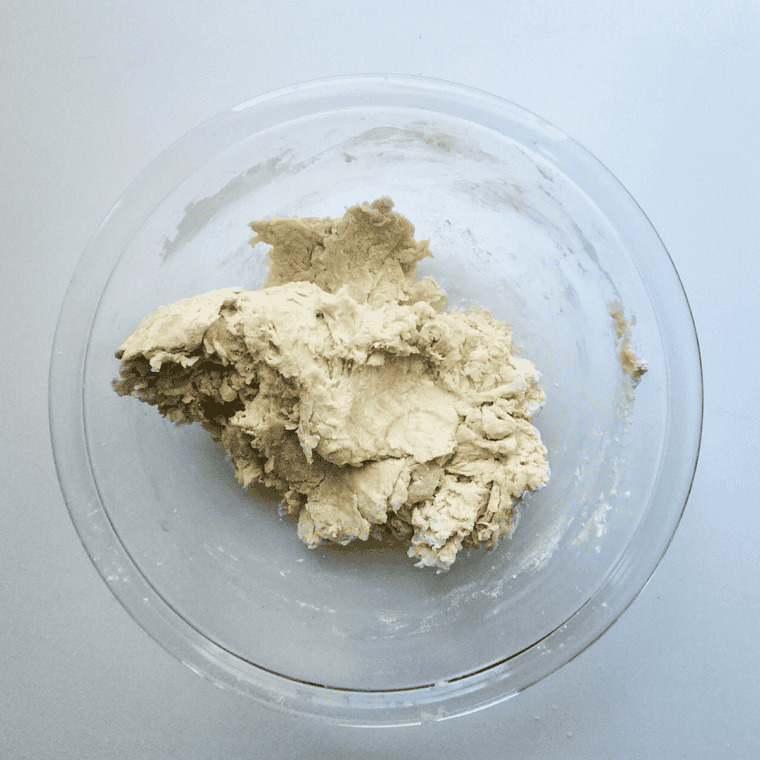
Step Four: Knead. Turn the dough onto a floured surface and knead for 5 to 7 minutes. Push it away with the heel of your hand, fold it back, turn a quarter, repeat. You’re finished when the dough is smooth and springs back slowly when you poke it.
Dough consistency check: This dough should be soft and slightly tacky — it should stick to your fingers a little but pull cleanly off the counter. If it’s genuinely sticking to everything, work in more all-purpose flour a tablespoon at a time. Resist adding too much; a slightly wet dough makes a lighter crust than a dry one.
Step Five: Rise. Shape the dough into a ball, place it in a lightly oiled bowl, turn it once to coat, and cover with a clean towel. Let it rise in a warm spot for about 1 hour, until doubled.
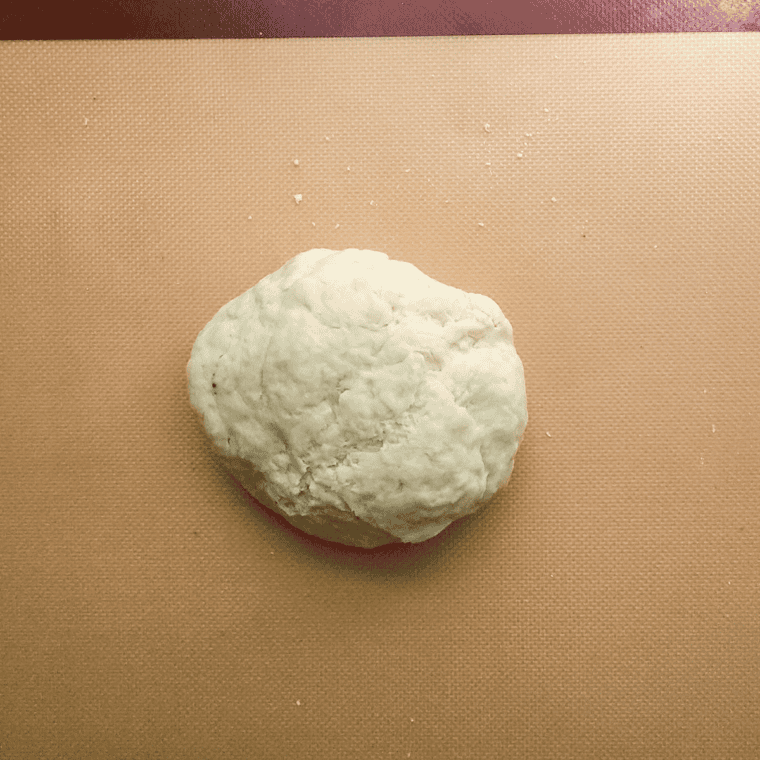
Step Six: Punch down and divide. Press the air out gently, then divide the dough in half for two 12-inch crusts, or into four pieces for personal pan pizzas.
Step Seven: Shape, top, and bake. Shape according to the crust style you want (see below), top with sauce and cheese, and bake at 475°F (245°C) for 10 to 12 minutes, until the crust is golden and the cheese is bubbling.
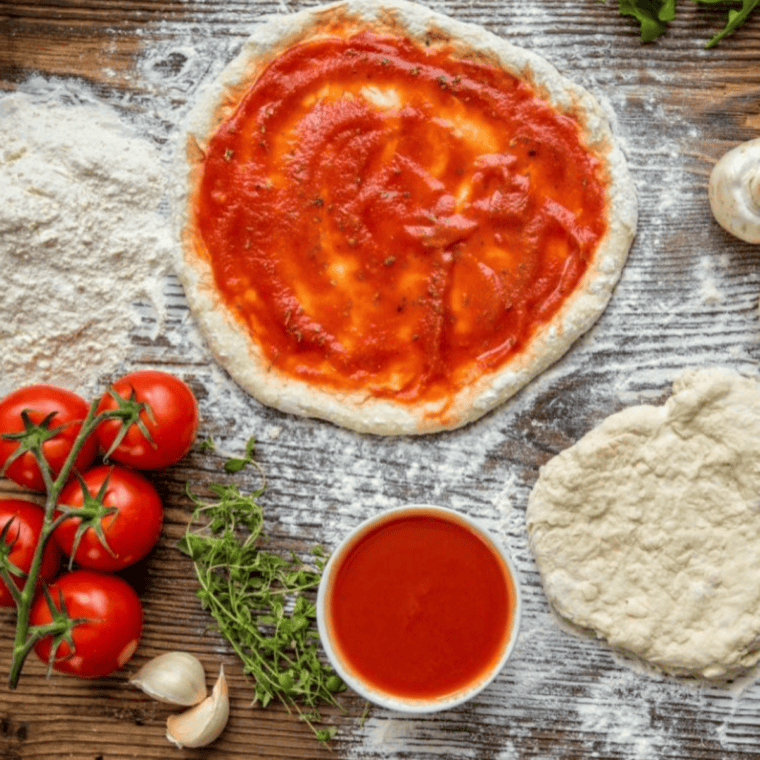
How To Get the Signature Pizza Hut Pan Crust
This is the step that separates a copycat from the copycat. Do not skip the oil.
- Oil the pan generously. Pour 3 tablespoons of vegetable or olive oil into each 9-inch round cake pan, or 1/4 cup into a 9×13 pan. Tilt to coat the bottom and sides completely. It will look like too much oil. It is not too much oil.
- Press the dough into the pan. Take one portion of dough and press it out to the edges with oiled fingertips. If it springs back, let it rest 10 minutes and press again.
- Proof in the pan. Cover and let it rise a second time, right in the oiled pan, for 30 to 45 minutes. This second rise is what creates the thick, airy pan-pizza edge.
- Top and bake. Sauce almost to the edge, then cheese, then toppings. Bake at 475°F for 12 to 15 minutes.
- Get it out of the pan immediately. Slide it onto a rack the second it comes out, or the bottom steams and softens.
Want the air fryer version with toppings and timings already worked out? I have a full walkthrough in my Air Fryer Copycat Pizza Hut Pan Pizza recipe.
Three Ways To Shape This Dough
Pan Crust
Thick, buttery, fried on the bottom. Use half the dough per 9-inch cake pan and follow the oiled-pan method above. This is the closest match to Pizza Hut’s original pan pizza.
Hand-Tossed
Divide the dough in half and stretch each piece into a 12-inch round on a cornmeal-dusted surface, leaving the outer inch slightly thicker for the rim. Bake on a preheated pizza stone or an oiled sheet pan for 10 to 12 minutes. Brush the finished rim with garlic butter for the full effect.
Thin ‘N Crispy
Divide the dough into thirds and roll each piece as thin as you can — you want it almost translucent. Skip the second rise entirely; a thin crust should not proof again. Dock the surface with a fork and bake for 8 to 10 minutes on a preheated stone.
Make It Ahead: The Cold Ferment Trick
If you have time, this is the single biggest flavor upgrade available.
After Step Four, put the kneaded dough straight into an oiled bowl, cover tightly, and refrigerate for 24 to 72 hours instead of doing the warm one-hour rise. The slow, cold fermentation develops a noticeably deeper, bread-like flavor that a one-hour rise can’t produce.
Pull it out 60 to 90 minutes before you plan to bake so it comes to room temperature, then continue with Step Six.
Pizza Hut Pizza Dough Recipe Tips
Brush the finished rim with garlic butter. Melted butter, garlic powder, and a pinch of salt. This is the last 5% of the Pizza Hut flavor.
Check your water temperature. 110°F is the target. If you don’t have a thermometer, it should feel like warm bath water on your wrist — comfortable, not hot.
Knead the full 5 to 7 minutes. Under-kneaded dough tears when you stretch it and bakes up dense. The gluten needs the time.
Let it rise somewhere genuinely warm. An oven with only the light on is close to ideal. A cold kitchen can easily double your rise time.
Don’t roll a pan crust with a rolling pin. Press it with your hands. A rolling pin crushes out the air you spent an hour building.
Preheat the oven fully. Give it a full 20 minutes at 475°F. A crust going into an under-heated oven turns out pale and tough.
Troubleshooting
Why didn’t my dough rise?
Nine times out of ten, the yeast was dead or the water was too hot. Yeast dies above about 130°F. Always check that the yeast foams in Step One before you commit your flour to it. Expired yeast is the other usual suspect — check the date on the packet.
Why is my dough so sticky?
Flour measured by volume varies a lot depending on how it’s scooped, so some batches come out wetter than others. Work in additional all-purpose flour one tablespoon at a time until the dough pulls away from the counter but still feels slightly tacky. Don’t chase a completely dry dough — that gives you a heavy crust.
Why is my crust dense and tough?
Usually too much flour, not enough kneading, or a rise that was cut short. All three lead to the same result. If your kitchen is cold, give the dough an extra 20 to 30 minutes rather than moving on when the clock says an hour.
Why is the bottom of my pan pizza pale and soft?
Not enough oil in the pan, or the pizza sat in the pan after baking. The oil is what fries and crisps the bottom, and leaving the finished pizza in the hot pan traps steam. Transfer it to a rack right away.
My dough keeps springing back when I shape it.
The gluten is too tight. Cover it and walk away for 10 minutes, then try again. It’ll stretch without a fight.
Storing and Freezing
Refrigerator: After the first rise, wrap the dough tightly in plastic or seal it in an airtight container and refrigerate for up to 3 days. Let it sit at room temperature for 30 to 60 minutes before shaping.
Freezer: Divide the risen dough into portions, coat each lightly in oil, wrap tightly in plastic wrap, and freeze in a zip-top bag for up to 3 months. Thaw overnight in the refrigerator, then bring to room temperature before shaping.
Baked crust: Par-bake shaped crusts for 5 minutes, cool completely, then wrap and freeze. Top and finish baking straight from frozen — add 3 to 4 minutes to the bake time.
What To Serve With Pizza Hut Dough
The dough is half the meal. Here’s what rounds it out:
- Sauce. My homemade pizza sauce is the closest match to what you’d get on a delivery pie, and this copycat Little Caesar’s pizza sauce is a sweeter, herbier alternative if that’s more your taste.
- Dipping sauce. This copycat Domino’s garlic Parmesan sauce is what you want for the leftover crust ends.
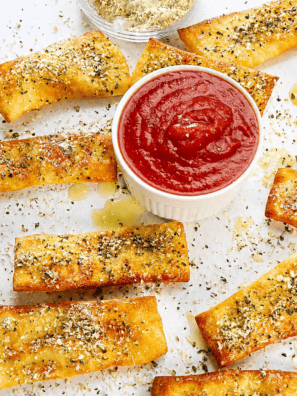
- Dessert. Use the second half of your dough for Air Fryer Copycat Pizza Hut Cinnamon Sticks and you’ve recreated the whole order.
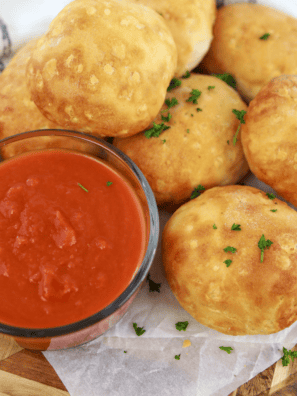
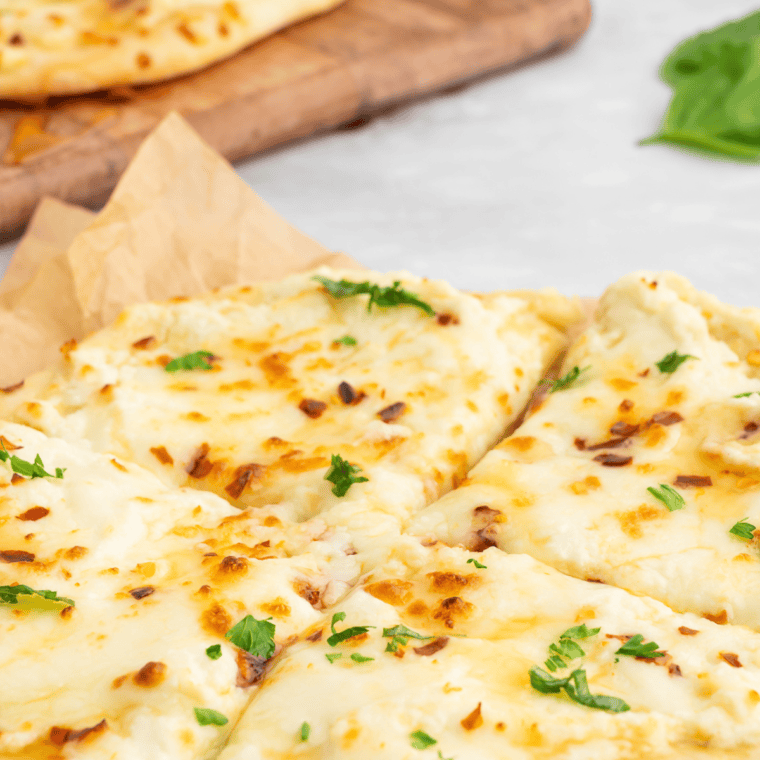
Have extra dough and no plan for it? It works beautifully in Air Fryer Pizza Roll Ups and 3-Ingredient Air Fryer Pizza Puffs, and it makes a great base for Air Fryer White Pizza (Pizza Bianca) or a copycat Domino’s cheeseburger pizza. If you’re cooking outdoors, it also holds up well in the Ninja Woodfire.
Frequently Asked Questions
Can I use all-purpose flour instead of bread flour?
Yes. The dough will still work well, but it will be softer and less chewy. Bread flour’s higher protein content is what creates the pull and chew that Pizza Hut crust is known for, so use it if you have it.
Do I really need MSG in pizza dough?
You don’t need it, but it’s the reason this tastes like Pizza Hut rather than like generic homemade pizza. MSG provides the savory depth that’s noticeably present in the restaurant’s crust. If you’d rather leave it out, chicken bouillon powder in the same amount is the closest substitute.
How long does pizza dough need to rise?
About 1 hour in a warm kitchen, or until it has doubled in size. Go by the look of the dough rather than the clock — a cold kitchen can push this to 90 minutes or more. For a pan crust, you’ll do a second 30 to 45 minute rise in the oiled pan.
Can I make Pizza Hut dough in a stand mixer?
Yes. Use the dough hook on medium-low speed for 5 to 7 minutes, until the dough clears the sides of the bowl and clings to the hook. Finish with 30 seconds of hand kneading to check the texture.
How many pizzas does this recipe make?
Two 12-inch pizzas, four 6-inch personal pan pizzas, or three thin-crust pizzas — roughly 16 slices total.
What temperature do you bake Pizza Hut style pizza at?
475°F (245°C). Pan crusts take 12 to 15 minutes, hand-tossed takes 10 to 12, and thin crust takes 8 to 10. In all cases you’re looking for a golden brown crust and bubbling, spotted cheese.
Can I make this dough without a pizza stone?
Absolutely — and for pan crust you shouldn’t use one at all. A 9-inch cake pan or cast iron skillet gives you a better result than a stone, because the oiled pan is what crisps the bottom.
Why is there baking powder in this pizza dough?
It gives the crust extra lift in the oven, on top of what the yeast provides. That’s what creates the thick, fluffy, almost cakey edge on a Pizza Hut pan pizza rather than a chewy artisan-style rim.
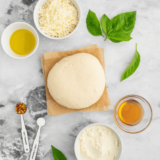
Copycat Pizza Hut Pizza Dough Recipe
Description
Ingredients
For the dough:
- 1 1/3 cups warm water, 315g, about 110°F
- 2 teaspoons granulated sugar, 8g
- 1 1/2 teaspoons active dry yeast, 5g
- 2 cups unbleached all-purpose flour, 250g, plus more as needed
- 1 cup bread flour, 130g
- 1 teaspoon baking powder
- 1 1/4 teaspoons salt, 7g
- 2 tablespoons olive oil, 27g
- 1/4 teaspoon garlic powder
- 1/4 teaspoon onion powder
- 3/8 teaspoon MSG
- 2 tablespoons cornmeal, 20g, for dusting
For pan-style crust (optional but recommended):
- 3 tablespoons vegetable or olive oil per 9-inch cake pan
Instructions
- In a small bowl, stir 2 teaspoons sugar into 1 1/3 cups warm water until dissolved. Sprinkle 1 1/2 teaspoons yeast over the top and let sit 5 minutes, until foamy. If it doesn't foam, discard and start with fresh yeast.
- In a large bowl, whisk together 2 cups all-purpose flour, 1 cup bread flour, 1 teaspoon baking powder, 1 1/4 teaspoons salt, 1/4 teaspoon garlic powder, 1/4 teaspoon onion powder, and 3/8 teaspoon MSG until evenly combined.
- Pour 2 tablespoons olive oil and the foamy yeast mixture into the dry ingredients. Stir until a shaggy dough forms with no dry flour remaining.
- Turn out onto a surface dusted with cornmeal and flour. Knead 5 to 7 minutes, until smooth and elastic. The dough should be slightly tacky but should pull cleanly from the counter — add all-purpose flour a tablespoon at a time if needed.
- Place the dough in a lightly oiled bowl, turn to coat, cover with a clean towel, and let rise in a warm place for about 1 hour, until doubled.
- Punch down gently. Divide in half for two 12-inch crusts, or into four pieces for personal pan pizzas.
- For pan crust: Pour 3 tablespoons oil into each 9-inch cake pan and tilt to coat. Press the dough to the edges with oiled fingertips, cover, and let rise a second time for 30 to 45 minutes. For hand-tossed: Stretch each portion into a 12-inch round on a cornmeal-dusted surface.
- Preheat the oven to 475°F (245°C). Top with sauce, cheese, and toppings. Bake 12 to 15 minutes for pan crust or 10 to 12 minutes for hand-tossed, until the crust is deep golden and the cheese is bubbling. Remove from the pan immediately and cool on a rack.
Equipment
- Mixing Bowl
- Whisk
Notes
- Cold ferment for better flavor: Refrigerate the kneaded dough 24 to 72 hours instead of the warm rise, then bring to room temperature before shaping.
- MSG substitute: Use an equal amount of chicken bouillon powder, or omit entirely.
- Freezing: Portion the risen dough, coat lightly in oil, wrap tightly, and freeze up to 3 months. Thaw overnight in the refrigerator.
- The oil in the pan is not optional for a true pan crust — it’s what fries and crisps the bottom.
Nutrition
Share this recipe
We can’t wait to see what you’ve made! Mention @forktospoon or tag #forktospoon!